Are There Châteaus In Provence?
Yes, Provence has châteaus, and the word means three different things: ruined castles, grand estates, and working wine domaines whose labels you already know. Here is how to tell them apart.
Are There Châteaus In Provence?
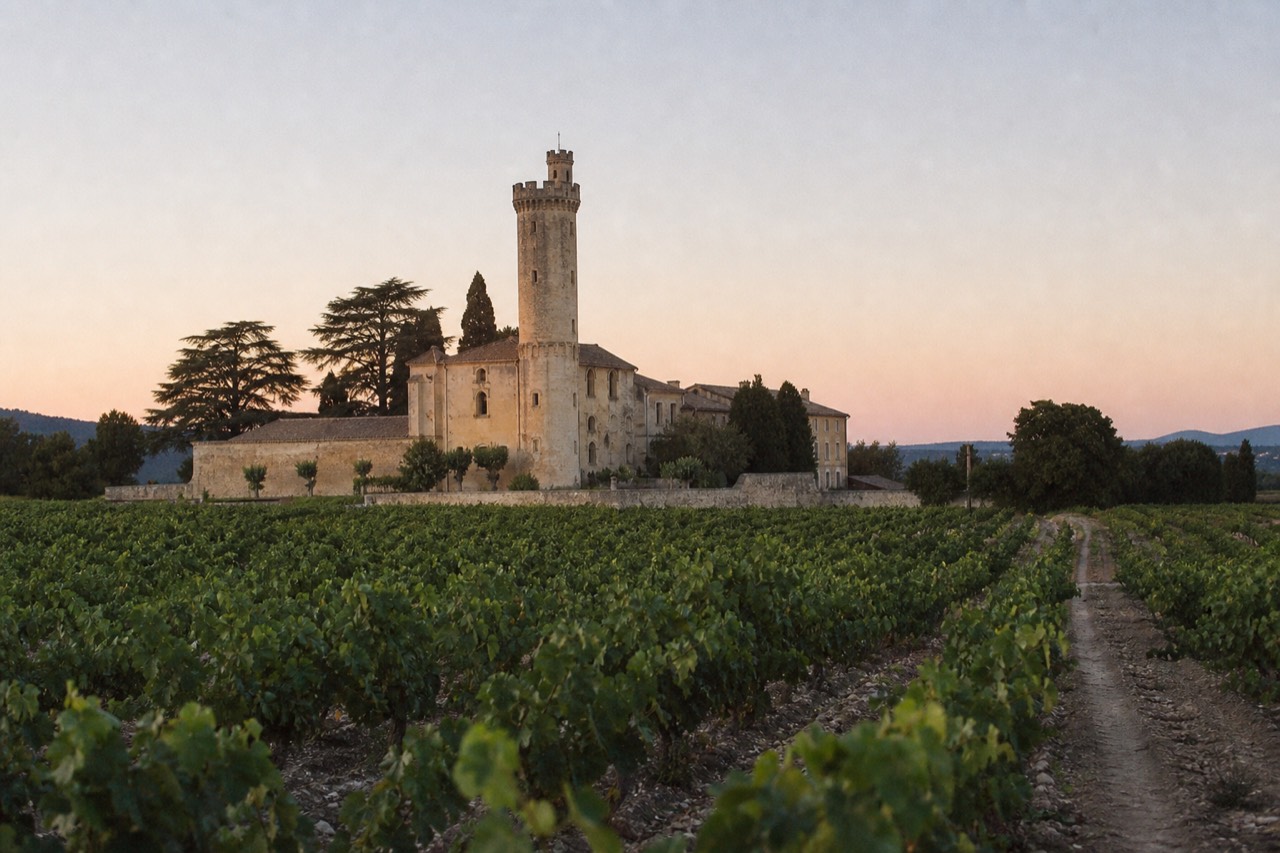
Yes, plenty, but the word covers three different things: ruined medieval castles, grand country estates, and working wine domaines that simply put château on their label because their cellar sits where a manor house once stood. Provence has genuine examples of all three, and the wine kind is the easiest to walk into, often within half an hour of Avignon or Aix-en-Provence.
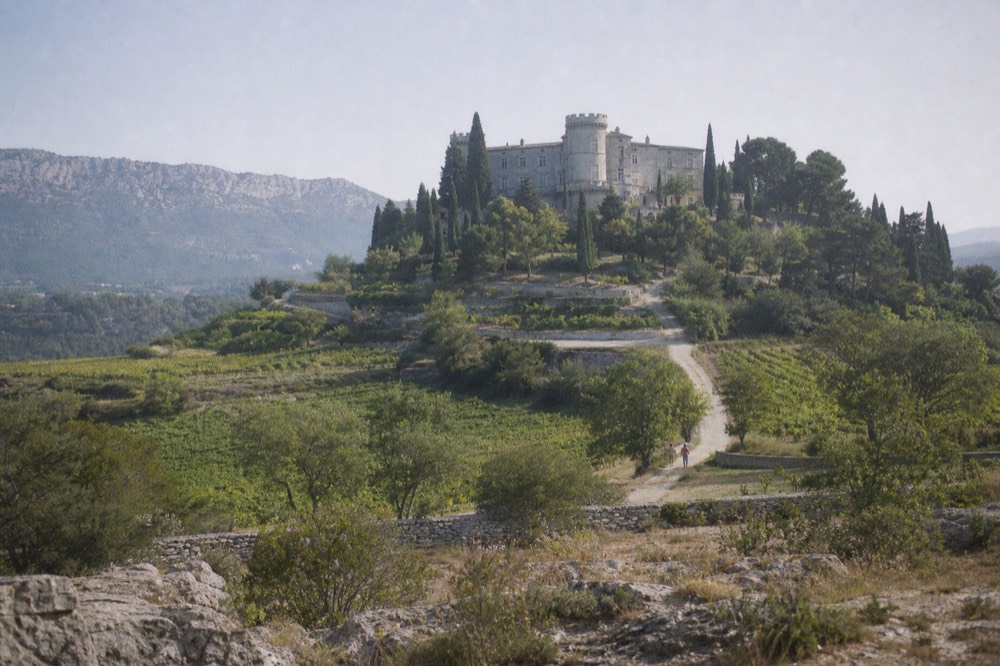
The question sounds simple, and the honest answer starts with vocabulary. In French, a château is not one thing. The Dordogne's fairy-tale fortresses, the Loire's pleasure palaces and a modest farmhouse-winery outside Saint-Tropez all share the word. Provence, having spent centuries as border country between France and the Holy Roman Empire, got the military kind early, lost many of them to time, then quietly filled the map with the agricultural kind.
For a traveller, that is good news. It means a day built around châteaus can pair a hilltop ruin in the morning with two estate tastings in the afternoon, all within a short drive. The wine estates are the reason Provence Wine Tours exists as a site: they are the châteaus you can book into, and the three most useful ones for a first visit sit around Avignon, Aix-en-Provence and the Sainte-Victoire mountain.
There is a second reason the question matters more here than in, say, the Loire. Provence is the world's most rosé-minded wine region: the 2024 vintage across its three main AOPs was 89% rosé, 6% white and just 5% red. So the châteaus you visit are mostly rosé cellars with history attached, not Bordeaux-style red châteaus with gates and gravel drives. That changes what a good day looks like: lighter wines, shorter visits, more of them.
If you want to see the château-and-vineyard combination in one day, these three tours cover the archetypes well:
So Is A Château A Castle Or A Winery?
Both, and the dictionary does not separate them. Château entered English meaning a feudal castle, but in modern French usage it also names a manor house, a country estate, or the wine produced at one address, which is why a bottle labelled Château something may come from a building with no towers at all. The giveaway is context: heritage sites say fortress or ruins, wine labels say domaine or château.
The wine usage has deep legal roots rather than marketing ones. France's appellation system, the AOC framework that governs Châteauneuf-du-Pape and every other named zone, was born on 15 May 1936, when six wine appellations were decreed in a single day: Arbois, Cassis, Châteauneuf-du-Pape, Cognac, Monbazillac and Tavel. A century of labels has followed, and the word château on a Provençal bottle almost always means "the estate and its cellar", not "a castle you can tour".
That distinction matters for planning. Visitors who search for castles in Provence expect drawbridges and ramparts, and a few genuine ones survive, mostly as dramatic ruins. Visitors who search for châteaus often mean the wine estates, and those are a different animal entirely: working farmyards, cellars, tasting rooms and, if the visit is booked, a seat at a barrel with a glass in hand.
One warning worth carrying. The popular story that Châteauneuf-du-Pape became "the first AOC in 1923" is legend. What 1923 actually was: the local growers, led by Baron Le Roy de Boiseaumarie, founded the first syndicate to defend the appellation, and the rules they wrote, a delimited area, a list of permitted grapes, minimum alcohol, sorting of the fruit, fed straight into the 1936 decree. The AOC itself did not exist in 1923, and in 1936 the appellation was one of six, not one of one. Anyone quoting the legend at a dinner party is quoting a compressed version of the truth.
The grape list is another place where the château story gets simplified. The current Châteauneuf-du-Pape spec names 18 permitted entries for red and white, from grenache and mourvèdre down to obscurities like muscardin and terret noir. The traditional count of 13 collapses the colour mutations of the same grape: clairette, grenache and piquepoul each appear in several colour forms, and counting each grape once instead of each entry gives 13. Both numbers are honest, and a good guide will tell you so at the cellar door.
Which Châteaus And Hilltop Sites Can You Visit?
The most visitable château country clusters around four bases: Avignon for Châteauneuf-du-Pape, Aix-en-Provence for the Sainte-Victoire and Luberon estates, Marseille for Cassis and its clifftop setting, and Les Baux-de-Provence for a real ruined fortress with a wine appellation attached. Real road distances are short, from 17 km between Avignon and Châteauneuf-du-Pape to 71.6 km from Aix to Les Baux.
Here is how the distances actually run, measured as road routing rather than straight lines:
| From | To | Road distance | Free-flow drive |
|---|---|---|---|
| Avignon | Châteauneuf-du-Pape | 17.4 km | 23 min |
| Aix-en-Provence | Puyloubier, Sainte-Victoire | 24.5 km | 31 min |
| Marseille | Cassis | 25.7 km | 33 min |
| Aix-en-Provence | Les Baux-de-Provence | 71.6 km | 64 min |
| Aix-en-Provence | Châteauneuf-du-Pape | 89.3 km | 67 min |
Read the last two rows twice. A Châteauneuf-du-Pape visit is a very different proposition depending on where you sleep: 17.4 km if you stay in Avignon, nearly 90 km each way if you base in Aix. The numbers are free-flow times, not tour durations, and August traffic on the main roads will not respect them. The Rhône-side estates are also where the mistral bites hardest: Météo-France records average winds around 50 km/h with gusts of 80 to 100 km/h, strongest in winter and spring, exactly the zone around Avignon and Châteauneuf where the terrace tastings happen. Bring a windproof layer in the shoulder season.
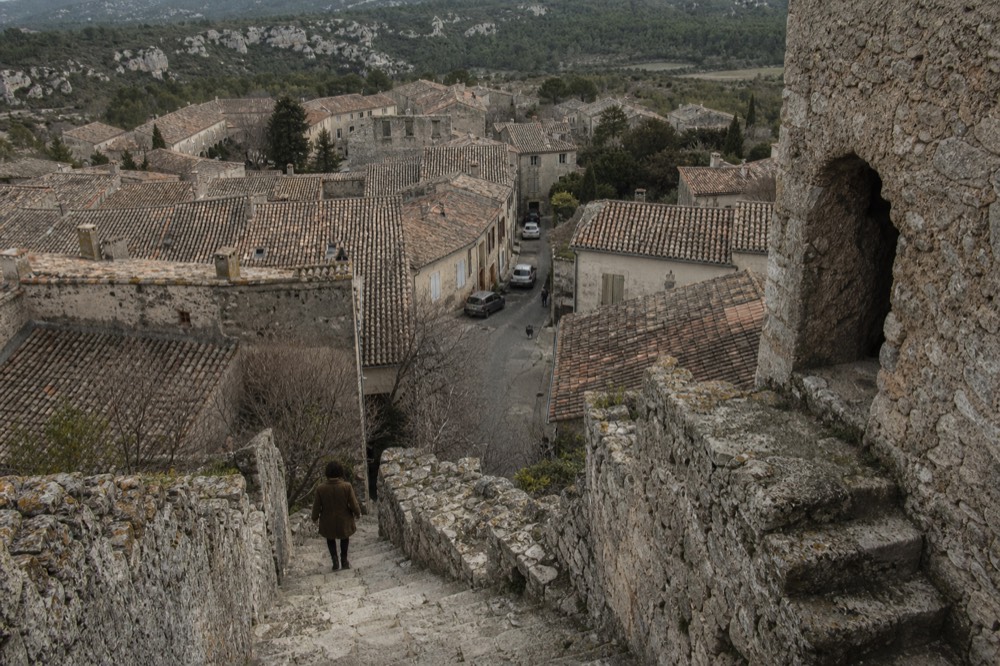
Les Baux-de-Provence is the purest castle experience in the region, a ruined fortress village perched on a rock ridge, and it even carries its own appellation: Les Baux-de-Provence, recognised by decree on 20 April 1995 after starting life as a sub-denomination of Coteaux d'Aix-en-Provence. The village and the vines sit in the same view, which is the whole promise of the place. If you are weighing that kind of hilltop day, our piece on Les Baux-de-Provence breaks down the trade-offs.
Curious how these estates compare on the wine itself before you commit to a day?
The Village That Named Itself After A Château
Châteauneuf-du-Pape answers the question in its own name: "the pope's new castle". The appellation, decreed 15 May 1936 as one of France's first six, covered about 3,200 hectares farmed by some 320 holdings in 2010, and its 18 permitted grape entries, traditionally counted as 13, make it the most codified wine château country in the south. The village and its château remains are the anchor stop.
The papal connection is what gives the place its atmosphere. The village grew up around a summer residence built for the Avignon popes, and the ruin of that château still crowns the hill, looking out over a plateau of galets roulés, the round stones that hold the day's heat and give the local reds their reputation. Below the ruin, the village is essentially one street of cellars and domaines, many with château in the name, each pouring the same appellation with very different hands.
What surprises first-time visitors is how dense it is. You can park once and walk between several estates in an afternoon, which is rare in Provence, where the châteaus usually demand a car. That walkability, plus the short hop from Avignon, is why this appellation anchors so many itineraries, and why the practical question is less "is there a château here" and more "how many hours do I have". A half-day from Avignon gets you three estates and a village wander in four hours at $103.36 per person, rated 4.8 across 456 reviews, tastings included, small group, free cancellation.
The fullest way to do it from Avignon is the 9-hour Châteauneuf-du-Pape day with lunch included, at $197.43 per person, rated 4.8 across 89 reviews, tastings and lunch in the price, small group, free cancellation. It is the version that turns the village from a stop into a whole day, with time for the ruin, the cellars and a proper sit-down meal rather than a rushed glass between estates. If the timing or budget is tight, our Châteauneuf-du-Pape guide compares every departure option in detail.
Château La Coste And The Estates Around Aix
Aix-en-Provence is the base for the modern face of the Provençal château: wine estates that behave like cultural destinations, with Château La Coste the best-known example, combining vineyard, architecture and art in one estate visit. Around it sit the Sainte-Victoire and Luberon domaines, reachable in 31 minutes to Puyloubier or under an hour to the Luberon villages, all with château names on their gates.
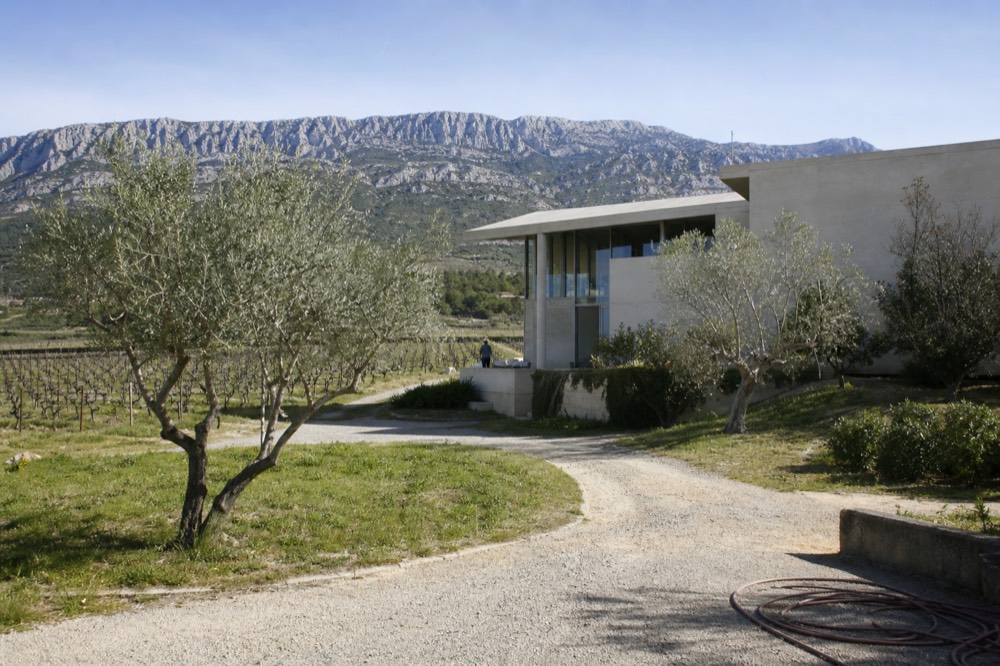
These are the châteaus that confound the castle expectation. Château La Coste pours wine, yes, but it is equally known for its architecture trail, wine tours and restaurants, a country estate that treats the vineyard as a landscape to walk through. We have a dedicated piece on whether Château La Coste is worth visiting for the full picture, including how it compares with the classic cellar visits nearby.
East of Aix, the Sainte-Victoire mountain rears up behind the vines, and the Côtes de Provence Sainte-Victoire sub-denomination covers its slopes, approved by the INAO national committee in May 2004. It is one of five such sub-denominations, and four of the five, Sainte-Victoire included, are reserved for red and rosé only. The appellation's permitted grapes include tibouren, a variety local to Provence, which gives the tastings here a character you will not find in the Rhône-side estates. Aix sits at the centre of this world, and our Aix-en-Provence wine tasting guide maps the options.
North of the city, the Luberon adds a slower, village-based version of château country. The appellation itself was first recognised as Côtes du Luberon in February 1988 and renamed simply Luberon in September 2009, covering about 3,300 hectares in 2010 across 51 private cellars and 10 cooperatives. One honest footnote: administratively the Luberon is counted as a Rhône valley appellation, not one of the three Provençal rosé AOPs, so it is sold as a Provence day out but sits outside the rosé statistics. A ten-hour small-group day from Aix pairs the villages and the tasting rooms at $209.04 per person, rated 4.9 across 65 reviews.
The simplest entry point is a three-hour Sainte-Victoire route tasting from Aix at $114.97 per person, rated 4.8 across 273 reviews, tastings included, small group, free cancellation. It is the contrast pick: where Châteauneuf is a full day of heavy reds, this is a short morning of rosé and mountain views.
Castles On The Coast: Cassis, Bandol And The Sea-Facing Estates
The coastal strip adds a third mood: Cassis, a fishing port beneath white cliffs whose appellation is officially white-dominant at about 70% of production, and Bandol, whose mourvèdre-heavy reds must age at least 18 months in barrel or foudre. Neither zone is castle country, but both offer that terrace-above-the-sea château feeling, and Cassis was one of the first six AOCs in 1936.
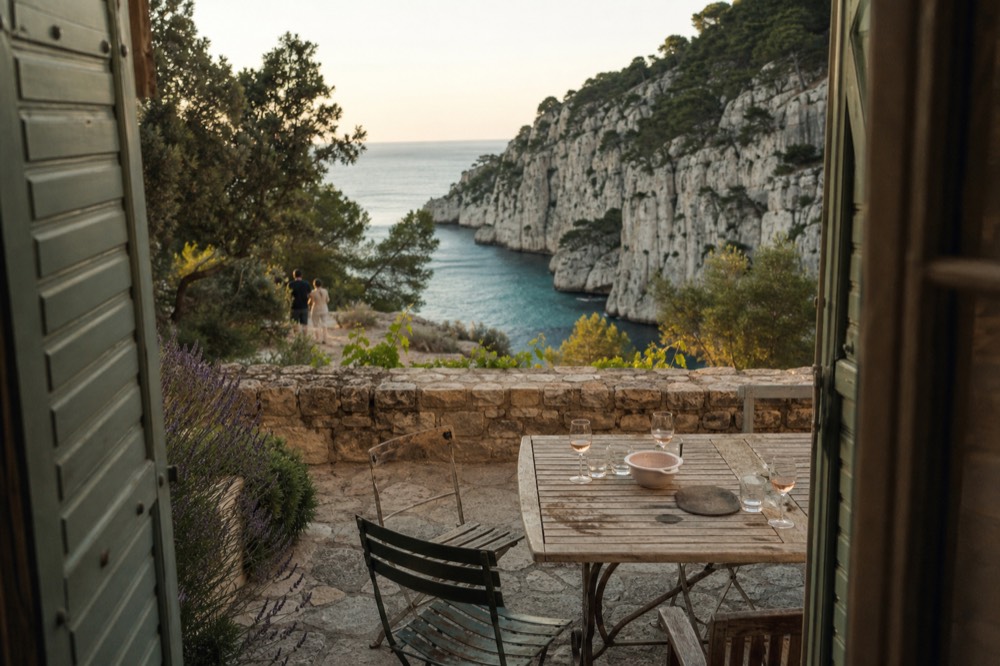
Cassis turns the château question inside out. The vineyards sit in a bowl of limestone between the Calanques cliffs and the sea, and the estates there pour mostly white, a reversal for a region stamped rosé. The INAO spec is explicit: white wine is about 70% of total Cassis production, built on clairette and marsanne, with marsanne held between 30% and 80% of the plantings. A tasting in Cassis is a château visit where the castle is the landscape. The appellation's own history records a shrinkage from 240 hectares in 1959 to 200 in 1978, the honest version of the story that Cassis nearly disappeared under the growing town.
Bandol, half an hour further west, is the structured one. Its reds must contain 50% to 95% mourvèdre and must age a minimum of 18 months in barrel or foudre, the hardest rule in Provençal wine, and the reason a Bandol red tastes nothing like a Côtes de Provence rosé. Eight communes, all in the Var, make up the appellation, decreed in November 1941. Even its rosés carry mourvèdre at a minimum of 20% of the blend, often 30% to 40%, which is why they have more grip than the pale standards further east. The full story, including which tours cover both appellations in a day, is in our Bandol and Cassis wine tours guide.
For anyone sorting a whole-region itinerary first, the Provence wine region overview explains how these zones fit together, and the answer to where the actual castles are concentrated: the Alpilles and the Vaucluse for ruins, the coast and the Var for wine châteaus. From Marseille, both a Cassis-and-rosé half day and a full Luberon day are on the table, which makes the city a surprisingly good base for castle-and-cellar days in either direction.
The short answers to what readers ask most about Provençal châteaus: yes, they exist as ruins, estates and wineries; Châteauneuf-du-Pape has a genuine papal castle ruin above its cellars; the word on a label means the estate, not a fortress; and the coast offers a sea-facing version of the same idea. The details below cover the specifics.
Common Questions About Châteaus In Provence
Are There Châteaus In Provence?
Yes, in three senses: genuine ruined castles, above all Les Baux-de-Provence; grand estates such as Château La Coste near Aix; and working wine domaines that use château on their labels, concentrated in Châteauneuf-du-Pape, the Sainte-Victoire slopes and the Luberon.
Is Châteauneuf-du-Pape A Real Castle?
The village grew around a papal summer residence, whose ruin still stands above the vineyards, so yes, there is a real château there. But most visits are about the more than 3,200 hectares of vineyards counted in 2010 and the cellars below the ruin, not the building itself.
What Is The Difference Between A Château And A Castle In France?
In modern French the word château covers castles, manor houses and wine estates alike. When a Provençal wine label says château it means the estate and its cellar, which may have no towers or fortifications at all.
Can You Visit A Château And Taste Wine On The Same Day?
Easily. A day from Avignon pairs the Châteauneuf-du-Pape château remains with several estate tastings 17.4 km from the city, and the full-day small-group tour runs 9 hours at $197.43 per person with tastings and lunch included.
Which Provençal Château Area Is Closest To The Coast?
Cassis and Bandol, west of Toulon, are the sea-facing wine zones. Cassis is 25.7 km from Marseille by road and specialises in white wine, while Bandol's mourvèdre reds must age at least 18 months in barrel before release.