What Is The Rainiest Month In Provence, France?
Autumn storms can sweep Provence, France, in October and November, between the busy summer months. Here is what that means for wine tours, the mistral, and your planning.
What Is The Rainiest Month In Provence, France?
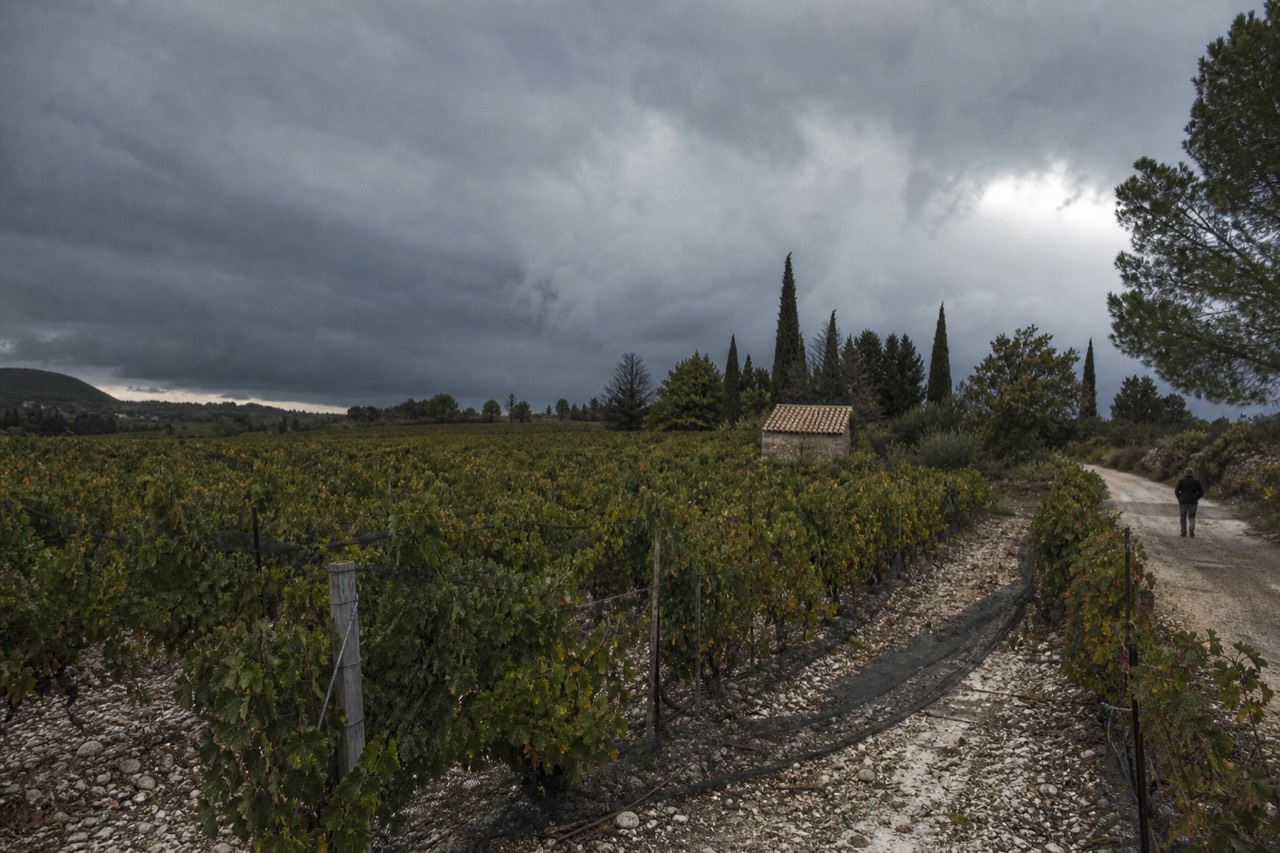
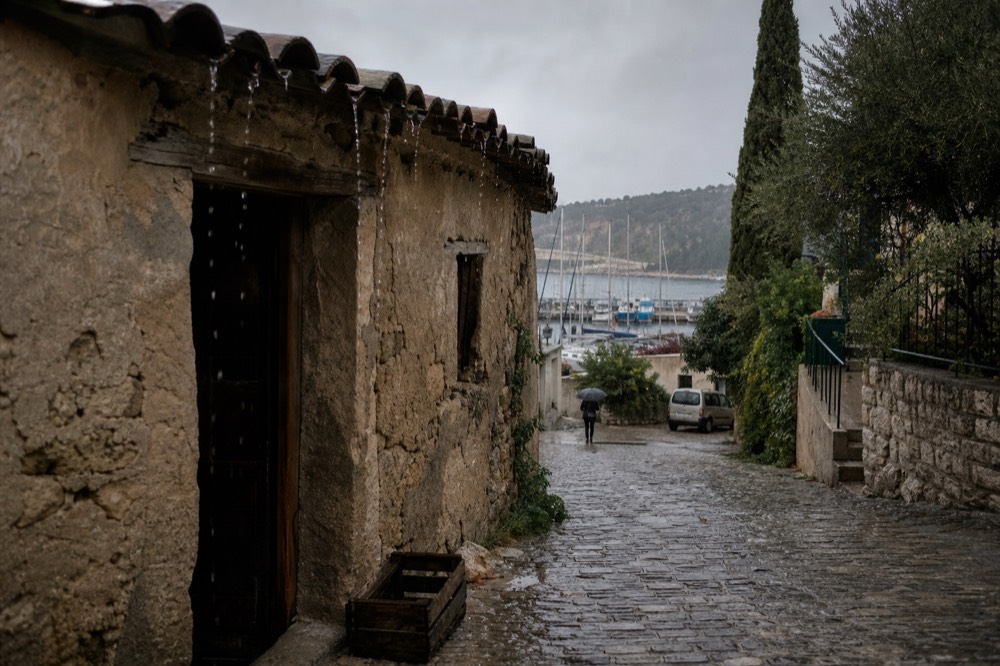
Autumn, September through November, is the wet season in Provence, and the wettest month differs by station: September at Marseille, October at Toulon, November at Avignon. The first sustained rains arrive off the Mediterranean after the dry summer, while July, with June and August close behind, is the driest month of the year. Rainfall varies sharply from the coast to the hills, so any single number for "Provence" is a simplification rather than a measurement.
That answer deserves unpacking, because Provence is not one climate but several. Marseille and the coast, the Rhône valley around Avignon, the Luberon hills and the Var uplands all receive their rain on different schedules and in different volumes. The region's rainfall pattern is Mediterranean at its core: a long, genuinely dry summer, then a sharp switch in autumn when unstable air returns and storms can drop a month of rain in an afternoon. What the visitor experiences is rarely steady drizzle. It is long dry stretches punctuated by short, violent episodes, then sun again.
The practical shape of the year looks like this. Summer builds dry, and by July most of Provence has gone weeks without meaningful rain. The first real instability often arrives in September, and by October the atmosphere over the Mediterranean is primed for the classic Cévenol-style autumn episodes, where warm sea air feeds slow-moving storm systems. November keeps that pattern going before winter settles into something colder but often less intense. Spring then dries out again on its way to summer.
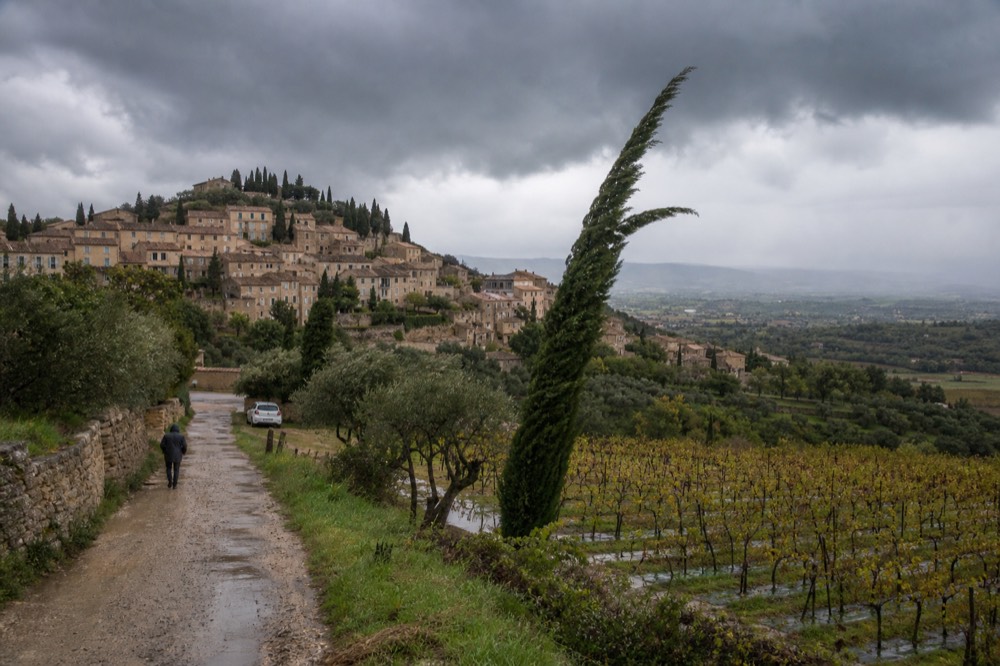
Why does this matter on a site about wine? Because the rainiest window sits exactly between the harvest and the quiet winter season, and it shapes which cellar-door experiences feel good. The Provence harvest starts in the earliest parcels in the second half of August and runs into September, with later sectors picking through mid-September. By October the fruit is in the cellar, the vineyards are turning colour, and the visitor pressure of July and August has gone. Some travellers treat October rain as a reason to stay away. For wine purposes, it is closer to the opposite: cellars have time, tastings are calmer, and a wet afternoon is a reason to stay at the tasting table rather than a reason to lose the day.
If you want station-level numbers for a specific town, the honest advice is to check Météo-France's climate pages for the city you will actually be staying in, because rainfall totals differ enough between Aix-en-Provence, Avignon and the Var coast that a regional average misleads more than it informs. What this page can do, and does below, is explain the pattern and what it does to a wine-tour day.
Why The Mistral Matters More To A Wine Tour Than The Rain
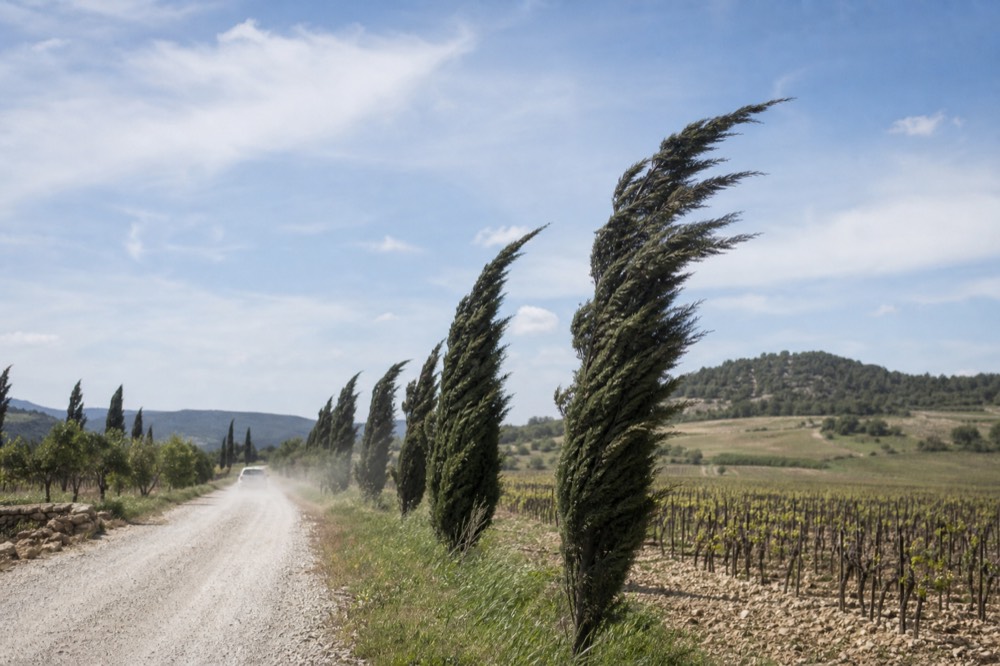
The weather feature most likely to change a Provençal wine day is not rain but the mistral, the regional wind that Météo-France describes as turbulent, generally dry, blowing at an average of around 50 km/h with gusts of 80 to 100 km/h, lasting several days at a time and being strongest in winter and spring, precisely on the Avignon and Châteauneuf-du-Pape side where outdoor terrace tastings sit.
This is the detail most first-time visitors miss. Rain in Provence tends to arrive in episodes and clear fast. The mistral arrives and stays. Météo-France's own description notes that an episode can last several days, even more than a week, and that its strongest zone lies between Orange, Avignon, Istres and Arles, where Istres records roughly 10 days a year with gusts above 100 km/h. For a wine tourist, that geography matters: the wind hits hardest exactly in the northern Rhône tasting country around Avignon, and it hits least on the sheltered coast around Cassis and Bandol.
Here is the counterweight, and it is the genuinely useful part. Mistral days are dry and usually very sunny, because the wind clears the cloud. A week of mistral in March can be bitter on a terrace in Châteauneuf-du-Pape yet brilliantly clear for driving through the vineyards. The mistral is not a rain risk, it is a comfort risk, and the sourced response is a windproof layer for a spring or winter Rhône tasting, not a cancelled booking. Rain, by contrast, mostly confines you indoors, and in Provence indoors during a tasting means the cellar, which is where the wine was anyway.
The two features interact. Many autumn rain episodes end when the mistral pushes through behind the front and scrubs the sky clean, which is why a rainy Tuesday in October so often becomes a crystalline Wednesday. Travellers who book fixed-date tours sometimes worry about a wet forecast; the better question is whether the forecast shows a stalled system or a passing front with wind behind it. Météo-France's regional wind page explains the mechanism and is the primary source for the wind figures above.
For tour planning, this reframes the whole question. A half-day built around a cellar visit shrugs off weather in a way a full-day scenic loop does not. The Sainte-Victoire Route tasting from Aix-en-Provence is a 3-hour, $114.97 per person small-group tour rated 4.8 across 273 reviews, with the tastings included in the price and free cancellation, which makes it a low-commitment choice for a day when the sky is uncertain. Check availability on the operator's live listing, and read the fuller Côtes de Provence wine guide for what the appellation's five sub-denominations add up to.
The tours on the roster run small-group or private formats with free cancellation, so a rain forecast is never a sunk cost, and the practical move on a grey morning is to shift a long scenic day to a shorter cellar-centred one. With the tastings included in the price, the core of the experience, the wine, is guaranteed whatever the sky does. If you are choosing between the mistral-prone north and the coast, Bandol and Cassis tours sit in the wind's shadow.
How The Seasons Actually Stack Up For A Wine Visit
For a wine visit the year splits into four usable blocks: April to June brings the spring visitor season with a mistral risk, July and August are the driest but most crowded months, September and October deliver harvest-adjacent calm with the rainiest weather, and November to March is quiet, windy and best suited to shorter, cellar-based days.
The season framing comes from real figures. INSEE defines the summer tourist season as April to September, and in that 2025 window the Provence-Alpes-Côte d'Azur region recorded 43.1 million nights, up 1.9% on 2024, a smaller rise than France as a whole at 4.4%. Crowding peaks hard in July and August: for short-term platform rentals in 2022, 44% of nights in the region fell in those two months, against 37% nationally, with July the peak month for non-resident visitors and August for residents. That 44% covers platform-booked rentals only, not all accommodation, but it tracks the pressure you feel at cellar doors too. The Var alone accounts for close to 40% of the region's nights, per the same INSEE work.
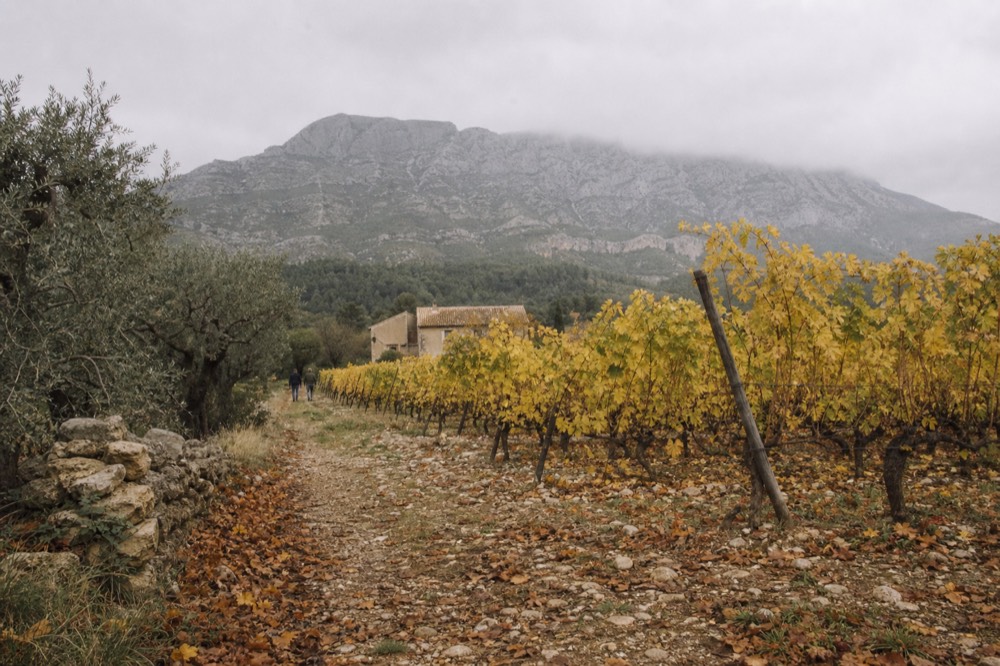
The wine year runs on its own clock. Harvest starts in the second half of August in the earliest parcels and runs into September, later sectors picking through mid-September. October is therefore post-harvest: vines turning gold, cellars full of new wine, tasting rooms patient. And the mistral is strongest in winter and spring, which argues for windproof layers on the Rhône side in those seasons.
| Season | Months | Weather character | What it means for a wine tour |
|---|---|---|---|
| Spring | April to June | Warming, drier as it goes, spring mistral episodes possible | Good touring, bring a windproof layer for terrace tastings |
| High summer | July to August | Driest stretch of the year, hottest, most crowded | Book ahead, expect full tasting rooms, heat matters more than rain |
| Autumn | September to November | Post-harvest calm, the rainiest period, October typically the peak | Cellars unhurried, storms pass fast, flexible plans pay off |
| Winter | December to March | Cool, quiet, mistral more likely on the Avignon side | Short cellar-based days work best, outdoor terraces lose appeal |
The one planning insight that is easy to miss: the rainiest month and the best wine-touring month overlap more than people assume. October is post-harvest, off-peak and wet all at once, and for a visitor whose priority is time at the tasting table rather than photographs of lavender, that combination is closer to a recommendation than a warning. If timing is flexible, the best month to visit Provence depends on which of these trade-offs you weight most.
Can You Still Book A Wine Tour When Rain Is Forecast?
Yes, and in most cases you should, because every tour on this site's roster runs free cancellation, most in small groups, so a wet forecast is recoverable rather than ruinous, and Provençal rain most often falls as short episodes rather than all-day rain, leaving cellar time intact even when terraces and vineyard walks are lost.
The mechanics of a wet-day wine tour are worth spelling out. A booked tour arrives at a cellar the operator has arranged, which is the actual reason booking beats turning up: opening patterns are set estate by estate, and there is no region-wide published schedule of cellar hours or closing days to rely on. On a booked day, the operator has already secured the appointment. The drive is in a vehicle, the tasting is under a roof, and the parts of the day that weather can spoil, the terrace, the vineyard walk, the photo stop, are the optional ones.
The Avignon side illustrates the trade-offs. The 4-hour half-day Châteauneuf-du-Pape tour from Avignon costs $103.36 per person, is rated 4.8 across 456 reviews, includes the tastings in the price and runs free cancellation. With Châteauneuf-du-Pape only 17.4 km and roughly 23 minutes of free-flow driving from Avignon, a grey day costs you almost nothing in transit, and the appellation's famous cellars are largely indoor experiences. Compare that with a scenic full-day loop through hill villages, where rain eats directly into the itinerary.
From Marseille the choices tilt coastal, and the coast is where a grey forecast does the least damage. Cassis sits 25.7 km and about 33 minutes of free-flow driving from Marseille, and the appellation is officially white-dominant, about 70% of production, so a wet day there becomes a harbour-town tasting day with the calanques as the reward when the sky clears. Bandol, 54.9 km and about 49 minutes out, is the structured-red specialist: its reds must be 50% to 95% Mourvèdre and age a minimum of 18 months in barrel or foudre, which pulls the visit indoors towards barrel rooms where the weather has no vote.
One more thing worth knowing before you commit: the drink-driving limit is the real structural reason a driven tour exists at all. The general French limit is 0.5 g/L blood, but a probationary licence, which lasts three years, or two after accompanied driving, is held to 0.2 g/L, effectively zero glasses. So a day built around tasting does not mix with a self-drive plan regardless of weather, and rain simply removes the last argument for improvising it yourself. Provence Wine Tours exists in part because the statute, not the forecast, is what decides who drives.
If the forecast turns after you book, the free-cancellation terms on the roster's tours mean you can reshuffle rather than eat the cost, and the operator's live listing is where the exact cutoff window is stated, since it varies by product. Some departures remove even the meeting-point walk: the full-day Côtes de Provence tour from Nice runs with hotel pickup, at $191.62 per person and rated 4.9 across 237 reviews, so a wet morning starts at your door. Between two tours of similar length, the one with more cellar time and less scenic driving is the better hedge against the rainiest weeks.
Rain in Provence is an autumn story, with October as its usual peak, and it rarely decides the fate of a wine day: tastings happen indoors, every rostered tour runs free cancellation, and the mistral that often follows rain clears the cloud. The questions below cover the pattern, the wind, and what a wet forecast actually changes about your plans.
Common Questions About Rain And Provence Vineyard Days
What Is The Rainiest Month In Provence, France?
October, generally, followed by November, as autumn storms return after the dry summer. Rainfall varies across the region, so treat the answer as a pattern rather than a promise, and check Météo-France's station data for the town you are staying in.
Is Provence Dry In Summer?
Largely yes. The Mediterranean pattern gives Provence a long dry summer, with July the driest stretch, and rain returning in autumn. The trade-off in July and August is crowds and heat rather than weather risk.
Does Rain Ruin A Wine Tour?
Rarely. Tastings happen indoors, drives happen in vehicles, and Provençal rain typically falls in short episodes rather than all day. You lose terraces and vineyard walks, not the wine, and every tour on this roster runs free cancellation.
What Is The Mistral And Should I Worry About It?
The mistral is a dry regional wind averaging around 50 km/h with gusts of 80 to 100 km/h, lasting several days or more, strongest in winter and spring, and hitting hardest between Orange, Avignon, Istres and Arles. Mistral days are usually sunny, so it is a comfort question, a windproof layer, not a cancellation question.
Is October A Bad Month For Wine Touring?
No, and for many visitors it is a good one. It is post-harvest, the tasting rooms are calmer after the July and August peak, and the wet weather mostly passes in episodes. Book flexible, cellar-centred days and October works in your favour.
Why Take A Driven Tour Instead Of Driving Myself?
The drink-driving limit. France's general limit is 0.5 g/L blood, and a probationary licence, held for three years after passing the test, or two after accompanied driving, is limited to 0.2 g/L, effectively zero. A driven tasting day removes that problem entirely.