Which Wine Is Provence Most Famous For?
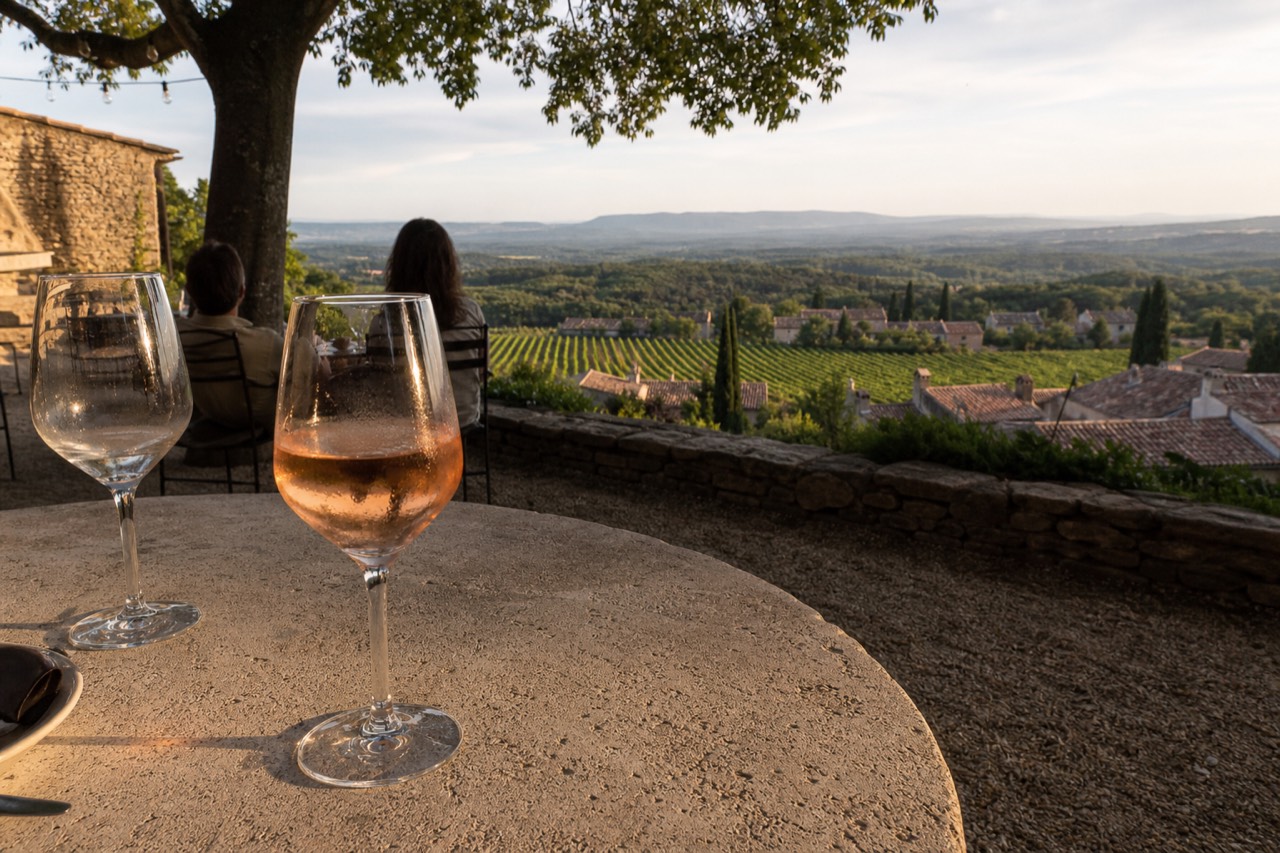
Provence is synonymous with dry rosé. In 2024, rosé made up 89% of the region’s AOP production. This article unpacks the numbers, the appellations, and the best ways to taste the wine that put Provence on the map.
Which Wine Is Provence Most Famous For?
Provence is most famous for its dry, pale pink rosé. In 2024, rosé made up 89% of the region’s AOP production, and Provence accounts for 40 to 45% of all French AOP rosé and about 5% of the world’s rosé. The three “Vins de Provence” appellations, Côtes de Provence, Coteaux d’Aix-en-Provence and Coteaux Varois en Provence, deliver the vast majority of that volume.
The dominance of rosé in Provence is not a recent trend. The region, as Provence Wine Tours covers in its guides, has specialised in pale, dry rosé for more than a century, and its winemakers have refined a set of techniques, direct pressing, cool fermentation, strict vineyard sorting, that lock in the colour and freshness the market now expects. The 2024 harvest, reported by the CIVP (Conseil Interprofessionnel des Vins de Provence), put the numbers behind the reputation: 1,001,589 hectolitres of rosé from the three core AOPs, against 70,180 hl of white and just 58,370 hl of red. That is an 89/6/5 split, and it has held roughly in that shape for years.
That rosé volume is not just a regional curiosity: it makes Provence the heavyweight of French AOP rosé. The CIVP’s own figures note that Provence weighs in for 40 to 45% of all AOP rosé produced in France, and about 5% of the world’s rosé. The scope matters here: those percentages cover only the three “Vins de Provence” AOPs, not Bandol, Cassis, Les Baux-de-Provence, Palette or Bellet (see Les Baux Worth It). Still, when someone orders a glass of pale rosé in New York or London, there is a decent chance the bottle started life in the Var or the Bouches-du-Rhône.
| Colour | Vins de Provence total (hl) | Côtes de Provence (hl) | Coteaux d’Aix (hl) | Coteaux Varois (hl) |
|---|---|---|---|---|
| Rosé | 1,001,589 | 721,686 | 168,949 | 110,954 |
| White | 70,180 | 44,434 | 20,327 | 5,419 |
| Red | 58,370 | 39,687 | 12,708 | 5,975 |
Understanding the numbers is one thing, but tasting the wine where it grows is the real lesson. The tours below take small groups straight into the Côtes de Provence vineyards, from Aix-en-Provence and Nice, so you can see the pale colour in the glass with the garrigue-scented hills right behind it.
Why Is Provence Rosé So Dominant?
Provence’s climate, with abundant sunshine, the cooling mistral wind, and poor, well-drained limestone and schist soils, naturally favours the thin-skinned grapes that make fresh, aromatic rosé. Generations of growers have doubled down on the style, and modern direct-press winemaking locks in the pale colour and crisp profile that define the region’s most famous wine.
The raw material starts with the grapes. The Côtes de Provence AOC’s principal red and rosé varieties, cinsaut, grenache, syrah, mourvèdre and the local tibouren, all bring bright red-berry fruit, floral lift and a saline, herbal edge when grown on Provence’s dry, rocky sites. Tibouren, in particular, is a grape a visitor should know: it is native to Provence, produces a famously aromatic, pale rosé and is on the principal list for the appellation. The mistral, a dry, turbulent wind that averages 50 km/h and can gust to 80 to 100 km/h, sweeps through the lower Rhône valley and across Provence, keeping the vines free of rot and concentrating the fruit. It is strongest in winter and spring, which is why a windproof layer is a good idea for a spring Rhône tasting, but it also helps explain why the grapes achieve such balance.
Winemaking is the other half of the story. Most Provence rosé is made by direct pressing: the grapes are crushed and the juice is run off the skins quickly, often within a few hours, giving the wine its signature pale salmon or onion-skin hue. Fermentation is kept cool in stainless steel to preserve the delicate aromatics. The result is a wine that is dry, crisp and versatile at the table, a long way from the sweet, candied rosés that gave the category a bad name decades ago.
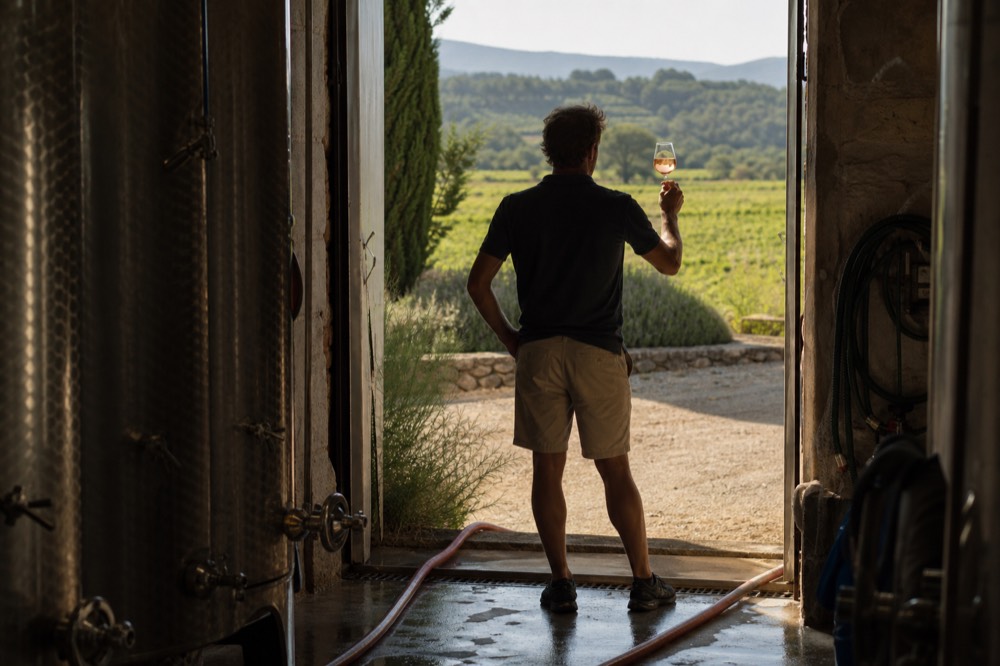
Seeing the process up close, from the vineyard row to the tank room, makes the pale colour and the saline finish make sense. A short, guided tour from Aix-en-Provence that focuses on the Côtes de Provence heartland gets you into two working estates in a single afternoon.
How Did Provence Become The World’s Rosé Capital?
Provence’s rosé identity took shape in the early 20th century, when growers in Châteauneuf-du-Pape formed a syndicate in 1923 to define production rules, a model that later fed into the 1936 AOC system. The region’s deliberate focus on pale, dry rosé, combined with post-war tourism and the rise of the Côtes de Provence appellation in 1977, turned a local specialty into a global benchmark.
The 1923 syndicate, led by Baron Le Roy de Boiseaumarie in Châteauneuf-du-Pape, was not the first AOC, that came in 1936 with six appellations including Châteauneuf-du-Pape and Cassis, but it was the first organised effort to codify what a Provençal wine should be. The rules they wrote, delimited area, permitted grapes, minimum alcohol, fruit sorting, became the template for the AOC system itself. While Châteauneuf-du-Pape went on to fame for its reds, the broader region quietly built its reputation on rosé.
The Côtes de Provence appellation, formalised in 1977, gave the rosé heartland a legal framework. By then, the post-war tourism boom had already introduced millions of visitors to pale, chilled rosé drunk on seaside terraces, and the wine’s association with summer, sun and the Mediterranean lifestyle was locked in. The CIVP, founded to promote the three Vins de Provence AOPs, has since driven export growth relentlessly: in 2024, 434,445 hectolitres were shipped abroad, up about 7% over 2019, worth €353,301,951, a 25% rise in value. That export success, combined with about 27,000 hectares across the three Provence AOPs and more than 550 producers, has made Provence rosé the reference point for the category worldwide.
The mistral, too, played its part. By keeping the vineyards dry and disease-free, it allowed growers to farm with fewer chemical inputs long before organic certification became a marketing tool. Today, 51% of the Côtes de Provence area is organic or HVE certified, a figure that reinforces the region’s image as a place where nature and winemaking work together.
What Are The Main Rosé Appellations In Provence?
The three “Vins de Provence” AOPs, Côtes de Provence, Coteaux d’Aix-en-Provence and Coteaux Varois en Provence, produce the vast majority of Provence rosé. Within Côtes de Provence, five geographical sub-denominations, Sainte-Victoire, Fréjus, La Londe, Pierrefeu and Notre-Dame des Anges, impose stricter yield limits and often deliver more structured, age-worthy rosés.
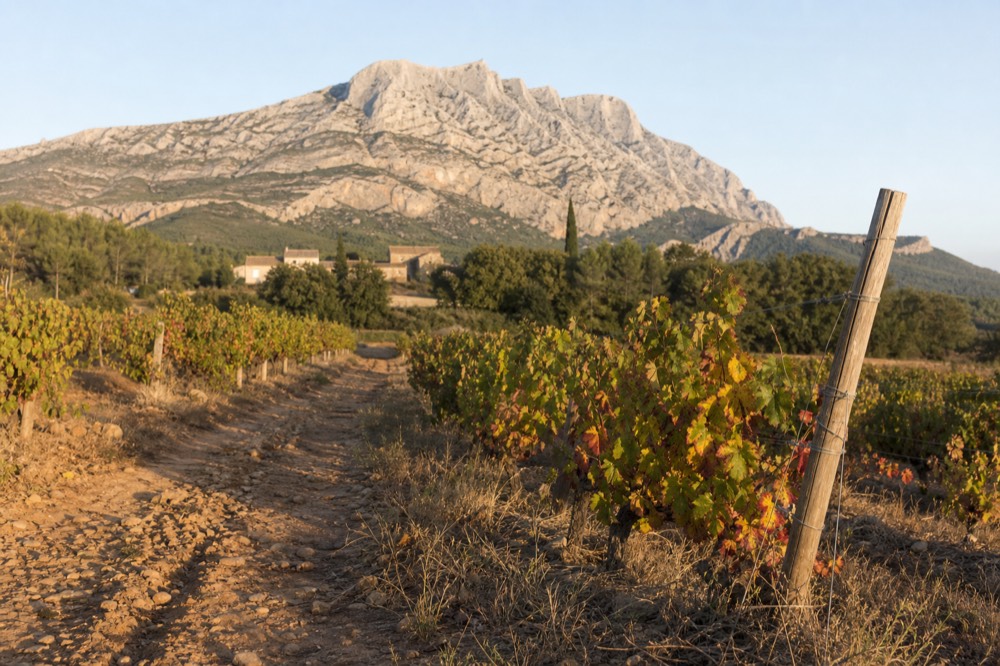
Côtes de Provence is the giant, covering 84 communes across three departments and 20,300 hectares. It alone produced 721,686 hectolitres of rosé in 2024, more than the other two appellations combined. Its five sub-denominations are not just marketing labels: they carry a lower maximum parcel load of 8,500 kg/ha against the 9,500 kg/ha of the plain appellation, a real, checkable difference that concentrates the fruit. Sainte-Victoire, named for the mountain that dominates the skyline east of Aix, is reserved for red and rosé only. La Londe, on the coast near Hyères, is the only sub-denomination that also covers white, and its wines often show a distinct saline, iodine note from the proximity to the sea.
Coteaux d’Aix-en-Provence, with more than 4,100 hectares in 2009, is the second pillar. Its rosés tend to be a touch rounder, often with a higher proportion of grenache, and the appellation’s permitted accessory varieties include cabernet-sauvignon, a rarity in Provence. Coteaux Varois en Provence, the smallest of the three, sits in the cooler, higher-altitude interior of the Var and produces rosés with a bright, almost alpine freshness. For a deeper look at the region’s rosé production, our guide to Provence rosé wine breaks down the styles and the best estates to visit.
| Appellation | 2024 Rosé Volume (hl) | Key Rosé Character | Notable Sub-Denominations |
|---|---|---|---|
| Côtes de Provence | 721,686 | Pale, aromatic, saline | Sainte-Victoire, La Londe, Fréjus, Pierrefeu, Notre-Dame des Anges |
| Coteaux d’Aix-en-Provence | 168,949 | Rounder, grenache-forward | None |
| Coteaux Varois en Provence | 110,954 | Bright, high-altitude freshness | None |
The Sainte-Victoire Route, Côtes de Provence tour from Aix-en-Provence is a direct way to taste the sub-denomination that carries the mountain’s name. The half-day format visits two estates in the shadow of Sainte-Victoire, where the limestone soils and the cooling influence of the mountain shape a rosé that is often more structured than the coastal versions.
Is All Provence Wine Rosé?
No. While rosé dominates, Provence also produces white and red wines, particularly in appellations that sit outside the main rosé story. Cassis, where white wine is about 70% of production, and Bandol, famous for long-aged, Mourvèdre-based reds, are the most prominent exceptions to the rosé rule.
Cassis, one of France’s first six AOCs decreed on 15 May 1936, is officially white-dominant. The INAO’s own cahier des charges states that white wine represents about 70% of total production, built on clairette and marsanne, with marsanne required to make up 30 to 80% of the blend. The appellation covers just 204 hectares (as of the 2009 snapshot), making it a tiny, seaside outlier in a sea of rosé.
Bandol, also an AOC since 1941, is the red powerhouse. Its reds must contain between 50 and 95% Mourvèdre and age a minimum of 18 months in barrel or foudre, a rule that produces wines of real structure and longevity. Bandol rosé is also distinct: it must include at least 20% Mourvèdre, often 30 to 40%, giving it a deeper colour and a more savoury, spicy profile than a typical Côtes de Provence rosé. Our guide to Bandol and Cassis wine tours covers the best ways to visit both appellations in a single day.
Even within the Vins de Provence AOPs, red and white exist, albeit in tiny quantities. Côtes de Provence made 39,687 hectolitres of red in 2024 and 44,434 hl of white, mostly drunk locally or blended into the region’s small but growing still-white category. But for anyone visiting Provence, the bottle that will follow them home is almost certainly rosé.
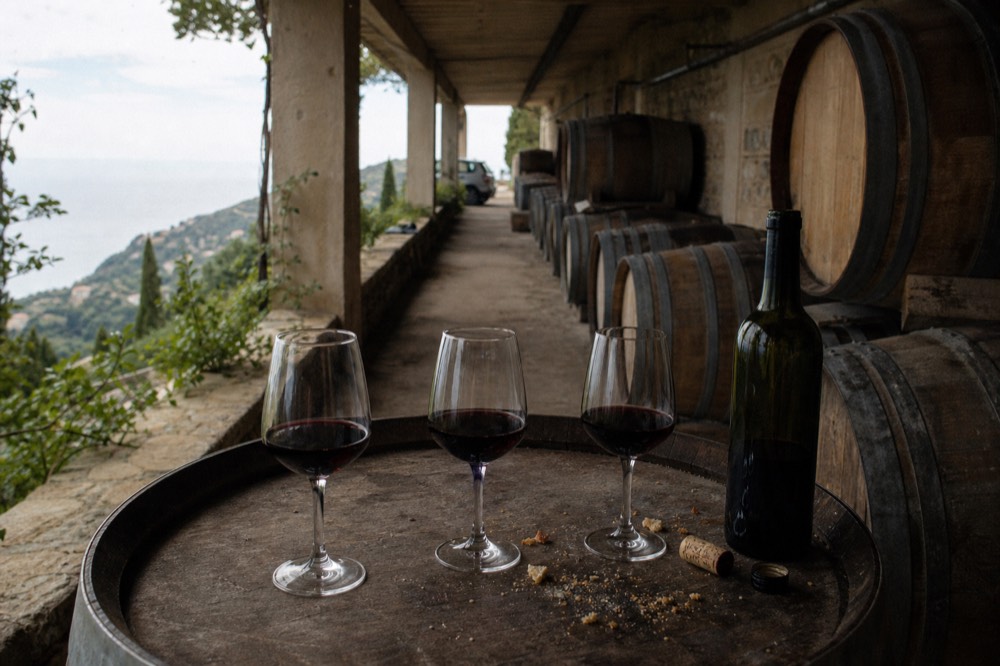
If the Mourvèdre-driven reds of Bandol and the saline whites of Cassis intrigue you, a half-day tour that covers both appellations in a single morning is a smart use of a short stay.
How Does Provence Rosé Compare To Other Regions?
Provence rosé is typically paler, drier and more mineral-driven than rosés from the New World or even other French regions like Tavel. The emphasis is on freshness, red berry fruit and a saline finish, making it a versatile food wine that pairs as easily with grilled fish as with a salade niçoise.
The most direct French comparison is Tavel, the Rhône appellation that makes only rosé. Tavel is darker, more full-bodied and often shows more spice and structure, a world away from the pale, whisper-light style of Provence. That difference is deliberate: Tavel uses longer skin contact and a higher proportion of syrah and grenache, while Provence rosé is built on direct pressing and cool fermentation to preserve delicacy.
Internationally, Provence’s influence is enormous. The “Provence style” has become shorthand for pale, dry rosé everywhere, but the original still leads. The combination of limestone soils, the mistral and the specific grape mix, especially tibouren and cinsaut, gives a saline, garrigue-tinged character that is hard to replicate. The CIVP’s export figures underline the global demand: in 2024, 434,445 hectolitres of Provence wine were exported, worth €353,301,951, up from 404,344 hl in 2019.
The best way to taste the difference is to put a glass of Provence rosé next to a Tavel or a New World rosé, but the second-best way is to visit the region and taste across appellations. A full-day tour from Nice that covers the Côtes de Provence heartland and the coast gives you the saline, mineral side of the story in one long, leisurely day.
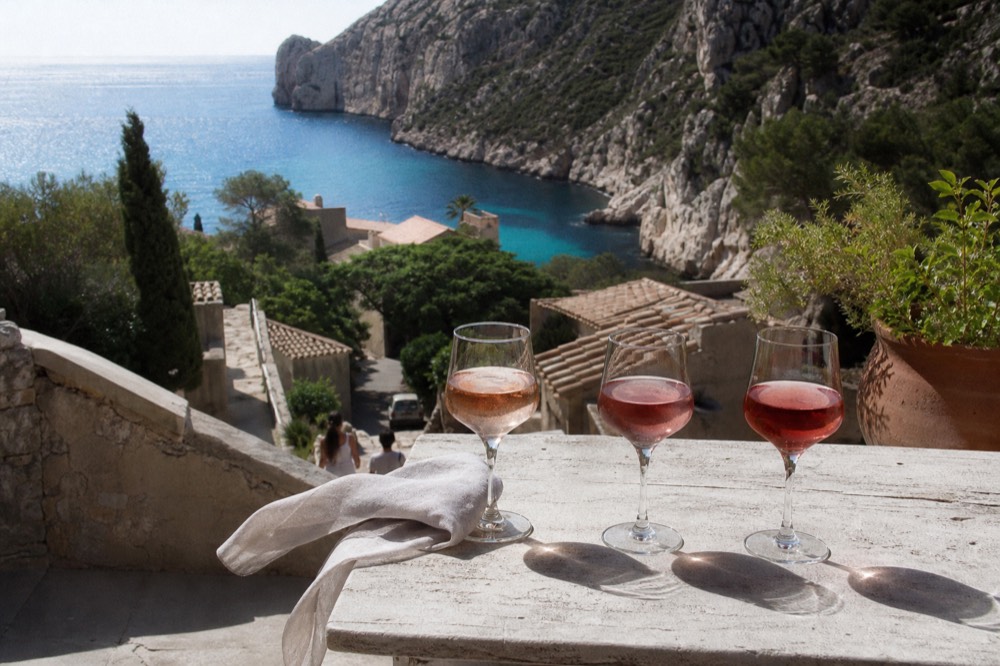
Provence is most famous for its dry, pale pink rosé, which accounted for 89% of the region’s AOP production in 2024. The style is built on direct pressing, cool fermentation, and grapes like grenache, cinsaut, and tibouren, yielding a wine that is crisp, aromatic, and versatile at the table.
Common Questions About Provence Wine
Which Wine Is Provence Most Famous For?
Provence is most famous for its dry, pale pink rosé. In 2024, rosé made up 89% of the region’s AOP production, and Provence accounts for 40 to 45% of all French AOP rosé and about 5% of the world’s rosé.
What Grape Varieties Are Used In Provence Rosé?
The principal red and rosé grapes in Côtes de Provence are cinsaut, grenache, syrah, mourvèdre and the local tibouren. Accessory varieties include cabernet-sauvignon, carignan and others. Each appellation has its own list, but grenache and cinsaut are the workhorses of the pale, aromatic style.
What Is The Difference Between Côtes De Provence And Coteaux d’Aix Rosé?
Côtes de Provence is the largest appellation, covering 20,300 hectares, and its rosés are typically saline, taut and mineral-driven. Coteaux d’Aix-en-Provence rosés tend to be rounder, often with a higher proportion of grenache, and the appellation permits cabernet-sauvignon as an accessory variety, which is unusual in Provence.
Can You Visit Provence Wineries Without A Tour?
Some estates accept walk-in visitors, but many require an appointment, and opening hours are set estate by estate. A guided small-group tour takes care of the logistics, secures access to cellars that may not be open to the public, and removes the need to drive after tasting.
Is Provence Rosé Always Dry?
The overwhelming majority of Provence AOP rosé is dry. The style is built on direct pressing, cool fermentation and minimal residual sugar. Off-dry or sweet rosés are rare in the region’s AOP production.
What Is The Most Famous Rosé Appellation In Provence?
Côtes de Provence is the most famous and the largest, but the Sainte-Victoire sub-denomination within it has a particularly strong reputation for structured, age-worthy rosé. Bandol rosé, while not part of the Vins de Provence AOPs, is also widely recognised for its deeper, more savoury style.