What Is Cassis, France Famous For?
Cassis is famous for its white wine, its calanques and its fishing-port setting between Marseille and Bandol. Here is what the appellation rules and the road distances actually say.
What Is Cassis, France Famous For?
Cassis is famous for its white wine, its calanques and its harbour town setting on the Mediterranean between Marseille and Bandol. It is one of France's first six wine AOCs, decreed on 15 May 1936, and its appellation rules state that white wine makes up about 70% of total production, which makes it the outlier of Provence.
That last figure deserves the emphasis. Provence as a whole is rosé country: the 2024 vintage across the three main Provence AOPs was 89% rosé, 6% white and 5% red, a split that has held steady for years and defines how the rest of the region plants, blends and sells. Cassis runs the other way almost completely. The INAO appellation spec for Cassis puts it plainly: white production is about 70% of the total, in a place where every neighbouring appellation leans pink. A visitor who orders "the local rosé" in a Cassis restaurant is ordering against the grain of the appellation they came for.
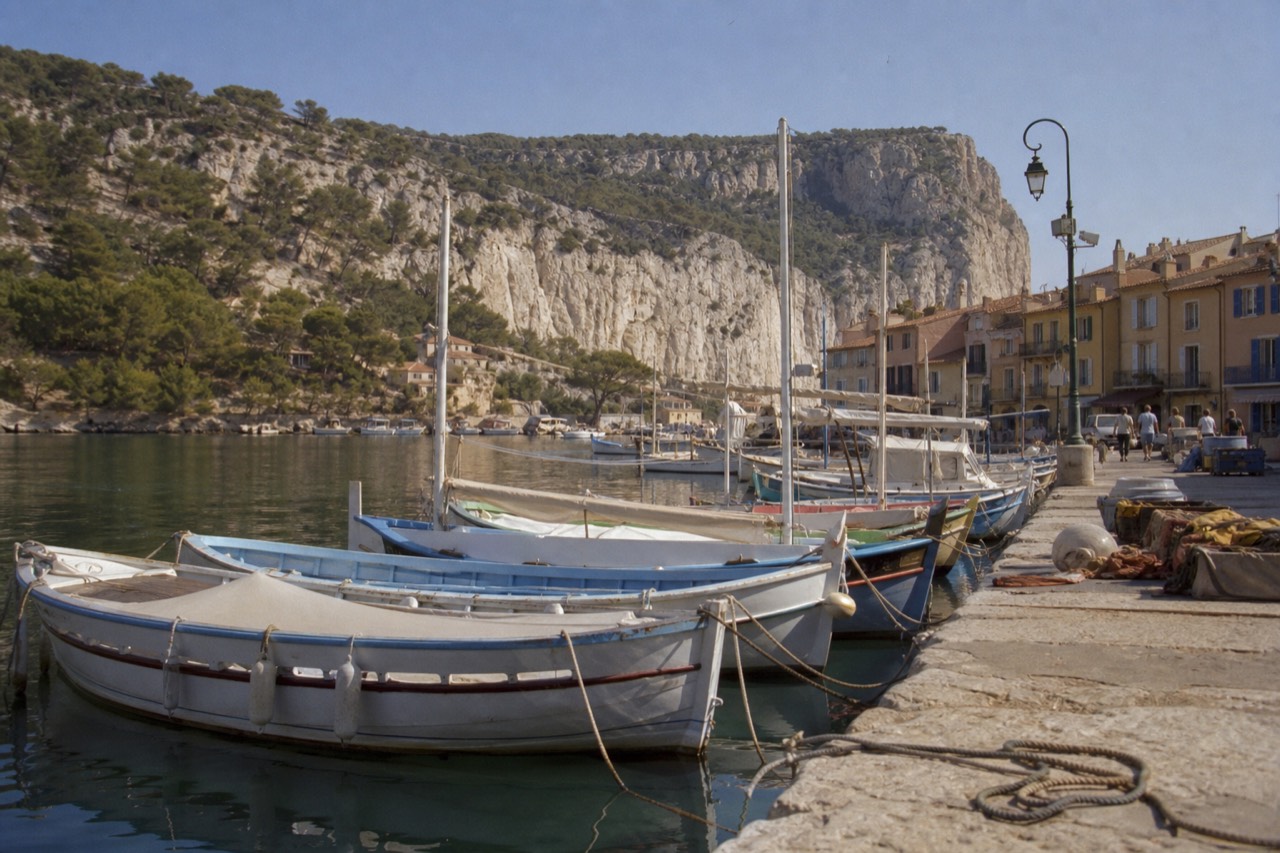
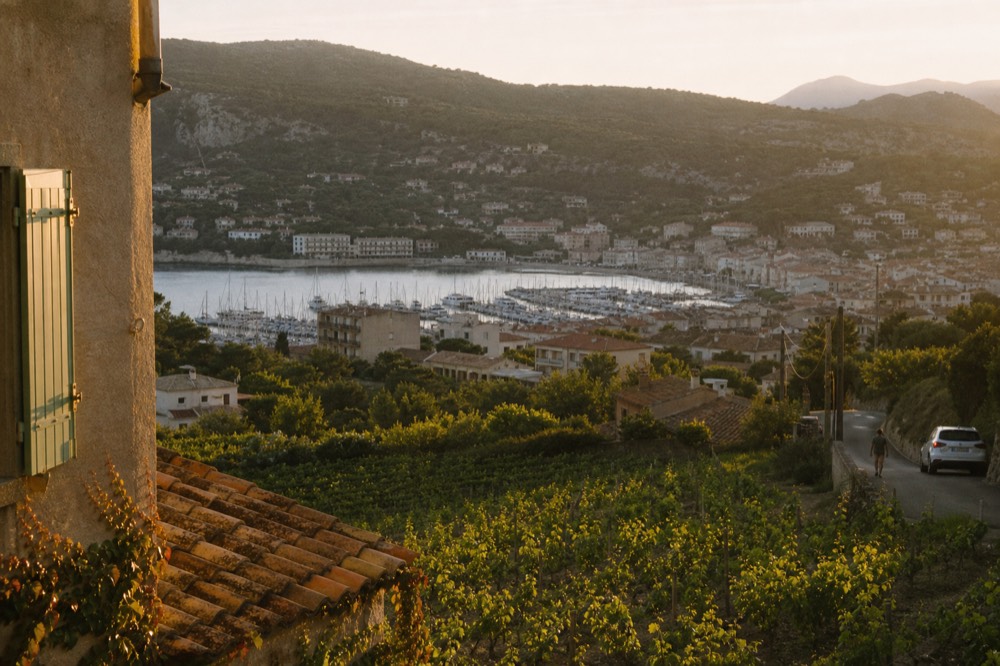
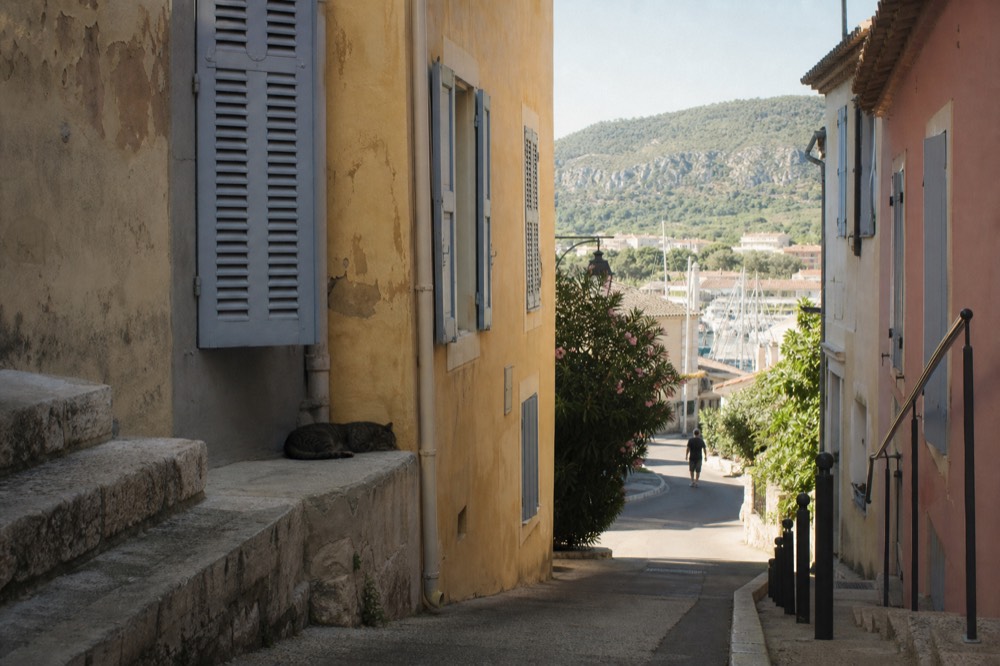
The second thing is the landscape. Cassis sits at the western edge of the Calanques, the limestone inlet coastline that runs towards Marseille, and the town is the standard launch point for boat trips into them. Third is the town itself: a small fishing port wrapped around a harbour, with vineyards on the hillsides above it. The vines really do sit above the town, which is unusual; most visitors expect the wine to come from somewhere further inland and find the slopes in walking distance of the water. That proximity is not an accident of modern tourism either, it is the historical shape of the place, and the appellation's own records show it shrinking as the town grew around it.
For visitors who want the wine without the logistics of driving, a guided day is the practical route. French drink-driving law is the honest reason: the general limit is 0.5 g/L of blood, and a probationary-licence holder is held to 0.2 g/L, effectively zero glasses. The probationary period runs three years, or two after accompanied driving, so anyone who passed their test recently is held to the near-zero rule. The Cassis and Bandol options below all include tastings in the price and carry free cancellation.
Why Is Cassis A White-Wine Village In A Rosé Region?
Because the appellation was built around clairette and marsanne, and the INAO spec locks marsanne at 30% to 80% of the white plantings. Cassis was decreed on 15 May 1936 as one of France's first six wine AOCs, alongside Châteauneuf-du-Pape, Arbois, Cognac, Monbazillac and Tavel, and its white-dominant character has been codified ever since.
The grape list explains the taste. Principal white varieties are clairette B and marsanne B, with accessory varieties including bourboulenc B, known locally as doucillon blanc, plus pascal, sauvignon, terret blanc and ugni blanc. Marsanne must sit between 30% and 80% of the white plantings and between 20% and 80% of the blend. That is a tightly defined recipe, and it produces wines with weight and texture rather than the crisp, pale style people arrive expecting from Provence. Where a Côtes de Provence rosé is engineered for freshness and pale colour, a Cassis blanc is built for food, and the restaurants of the port pour it accordingly (see Provence Food).
The scale is small, and that is part of the fame too. The appellation spec records 204 hectares in 2009, of which 10 hectares were young vines, and it also notes the vineyard was 240 hectares in 1959, falling to 200 hectares by 1978. The honest version of the local story is that Cassis shrank as the town grew, and the vineyard that survived is compact and close to the sea. A count of producing estates is a tourist-office figure rather than an INAO one, so treat any number you see on that with care. What the spec does confirm is the appellation's age: 1936 puts Cassis in the very first cohort of legally recognised French wine appellations, before Bandol in 1941, before Côtes de Provence in 1977, and long before the rosé boom that reshaped the region's image.
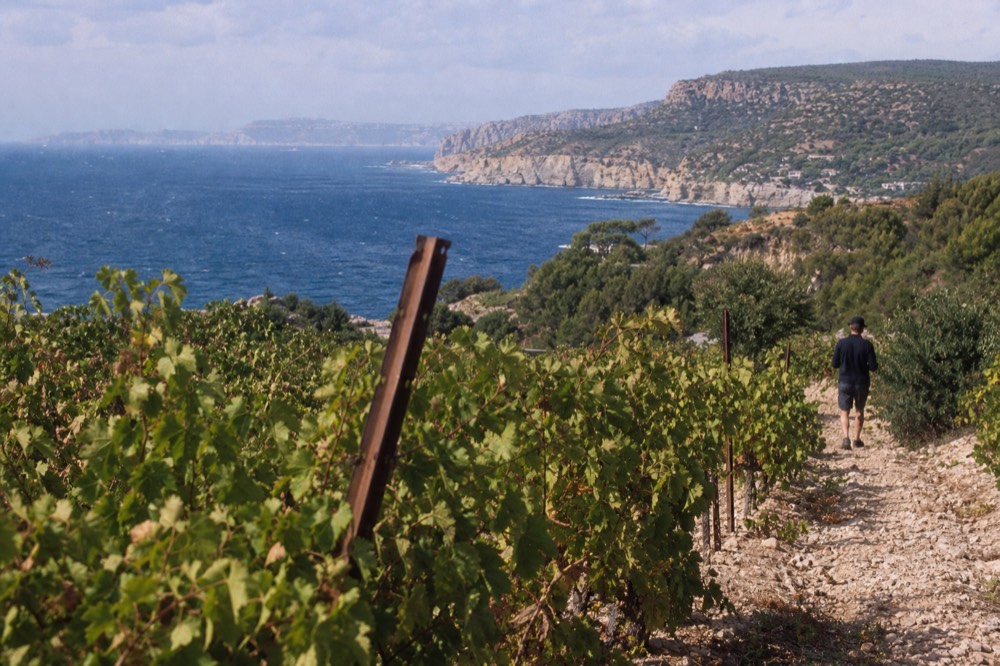
Red and rosé are permitted in Cassis; the appellation covers all three colours. But the white is what the place is known for, and it pairs with the local catch in a way that feels less like marketing and more like geography. The town's restaurants serve fish from the port a few hundred metres away, and a white with clairette and marsanne in it is what the region pours alongside it. The sea-facing slopes also matter for ripening: the amphitheatre of hills around the harbour shelters the vines and holds heat, which is part of why a warm-climate grape like marsanne does well in a spot this far south and this close to open water.
| Fact about Cassis | Figure | Source scope |
|---|---|---|
| AOC decreed | 15 May 1936, one of France's first six wine AOCs | INAO |
| White share of production | About 70% | INAO appellation spec |
| Principal white grapes | Clairette B and marsanne B | INAO appellation spec |
| Marsanne in white plantings | 30% to 80% | INAO appellation spec |
| Vineyard area | 204 hectares, of which 10 ha young vines | 2009 snapshot in the spec |
The white-wine angle is also why a combined Bandol and Cassis tour works so well as a tasting day. Bandol, the next appellation west along the coast, is the opposite character study: its reds must be 50% to 95% mourvèdre and aged a minimum of 18 months in barrel or foudre, rules that produce powerful, structured, long-lived wines. Tasting Cassis white beside Bandol red covers both ends of what this stretch of coast does, and it is the single most efficient way to understand why the two neighbouring appellations have such different reputations.
What Are The Calanques, And Why Do People Visit Them From Cassis?
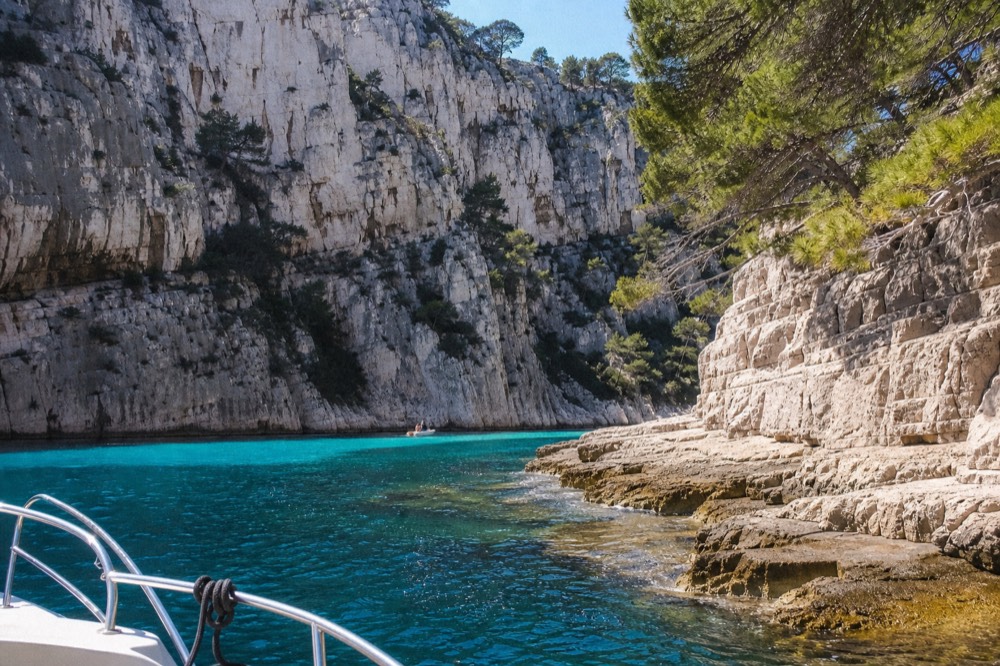
The calanques are narrow limestone inlets with white cliffs that drop into the Mediterranean between Cassis and Marseille. Cassis is the eastern gateway to them, and boat trips from the harbour are the standard way to see the coastline, alongside hiking trails that run the clifftops. The area is protected as a national park.
The geography is what makes it famous. The coastline between Marseille and Cassis is a series of steep-walled coves, some only reachable by boat or on foot, and the cliffs rise sheer out of clear water. From Cassis harbour, scheduled boat circuits run out to the nearest inlets, and the walking routes above them draw hikers year round. The best-known individual calanque near Cassis, En-Vau, is a deep inlet with a small shingle beach that takes a real walk to reach. Port-Miou and Port-Pin, the two closest to town, are gentler introductions and can be reached on foot from the harbour in well under an hour.
The practical note for anyone combining the calanques with wine: the two halves of a Cassis day compete for time. A boat circuit plus lunch in the port plus a cellar visit is a full day, and in July and August the town is busy enough that parking alone eats an hour. That is the real argument for a small-group tour from Aix or Marseille, which arrives with a driver and a plan. It is also worth knowing that the walking trails in the national park close in high summer fire-risk periods, so the boat is the reliable option in the hottest weeks, and the trail you read about in a spring guide may be shut when you arrive in August.
The Half-Day Bandol And Cassis tour from Aix-en-Provence is built exactly around this: 5 hours, $121.94 per person, rated 4.9 across 11 reviews, tastings included in the price and free cancellation. It fits travellers who want the wine side of the coast without surrendering a whole day, and it leaves the calanques boat trip for a separate morning if you are staying overnight in town.
How Far Is Cassis From Marseille, Aix And Bandol?
By road, Marseille to Cassis is 25.7 km and about 33 minutes free-flow, and Marseille to Bandol is 54.9 km and about 49 minutes. Aix-en-Provence to Cassis means going via Marseille, so day-trippers from Aix should budget a good half day for any coastal wine visit.
These are real routed distances over the road network, city centre to town centre, and they are free-flow times. They do not include summer coastal traffic, which on the coast road between Marseille and Cassis can be heavy in July and August, nor the time spent parking once you arrive. The INSEE season definition runs April to September, and within the region's platform-booked accommodation 44% of nights fall in July and August, so the crowds on this road are a summer concentration, not a year-round constant. Outside those two months the same drive feels like a different country.
| Route | Road distance | Free-flow driving time |
|---|---|---|
| Marseille to Cassis | 25.7 km | 33 min |
| Marseille to Bandol | 54.9 km | 49 min |
| Toulon to Bandol | 18.7 km | 19 min |
| Marseille to Aix-en-Provence | 31.8 km | 34 min |
The pattern to read from the table: Cassis and Bandol sit on the same coastal corridor but on either side of Marseille's orbit. Cassis is the closer day trip from Marseille itself, while Bandol is nearly as easy from Toulon. For anyone based in Aix, both are reachable but neither is next door, which is why the guided options from Aix exist at all. Aix also has its own wine country much closer to hand, the Coteaux d'Aix-en-Provence appellation and the Sainte-Victoire slopes, so the coastal trip is a deliberate choice rather than the default.
Is Cassis Worth A Day Trip For The Wine Alone?
Yes, if white wine is what you want: Cassis is the only appellation on this coast where white is the majority, and the vineyard walks down to the sea from the cellars are part of the visit. But the region's fuller tasting day pairs it with Bandol, whose mourvèdre-based reds are the structural opposite of Cassis whites.
A Cassis-only visit is short and sweet. The town is small, the cellars are close together on the slopes above the harbour, and the local tourist office is the practical starting point for mapping them, since it lists the vineyards of the AOC. What you give up by staying in Cassis is the contrast: Bandol's reds, with their mandatory 18 months of barrel ageing and mourvèdre at 50% to 95% of the plantings, show what the same coastline does with heat and structure. Bandol's rosés are no afterthought either, with mourvèdre at a minimum of 20% of the blend, often 30% to 40%, which gives them more grip than the Provençal norm.
The full-day version from Aix covers both appellations with a rosé focus: 8 hours, $191.62 per person, rated 5 across 2 reviews, tastings included and free cancellation. The half-day at $121.94 suits a tighter schedule. Whichever format, the driving question is settled by having someone else at the wheel, which on the French limit of 0.5 g/L, and 0.2 g/L for probationary licence holders, is the only relaxed way to taste through two appellations. It is also the only way to fit both tastings and a proper lunch into a single day without watching the clock.
For planning a wider trip, our Provence Wine Tours coverage includes a dedicated guide to the Bandol and Cassis wine region, and if you are weighing bases, the comparison of Avignon or Aix-en-Provence covers which city suits coastal day trips. Cassis rewards the visitor who arrives knowing the one fact most people miss: this is a white-wine village, and it has been since 1936.
Cassis is famous for white wine, calanques and its harbour, and the questions below cover the practical details: the colour of its wine, its distance from Marseille and Bandol, its permitted grapes, and whether it rewards a visit for travellers who do not drink. The answers draw on the INAO appellation spec and routed road distances rather than folklore.
Common Questions About Cassis
What Is Cassis, France Famous For?
Cassis is famous for its white wine, which is about 70% of production in a region otherwise dominated by rosé, its limestone calanques on the coast towards Marseille, and its small fishing harbour. It was decreed one of France's first six wine AOCs on 15 May 1936.
Is Cassis Wine White Or Rosé?
Mostly white. The INAO appellation spec states that white wine represents about 70% of total production. Red and rosé are also permitted under the AOC, but the whites, built on clairette and marsanne, are what the appellation is known for.
How Far Is Cassis From Marseille?
By road, 25.7 km, about 33 minutes in free-flow traffic. Summer traffic on the coastal road can add substantial time in July and August.
Can You Visit Cassis And Bandol Wineries In One Day?
Yes. The two appellations are roughly an hour apart by road via the coast, and guided tours from Aix-en-Provence combine them in either a 5-hour half day or a full 8-hour day with tastings included.
What Grapes Are Grown In Cassis?
The principal white varieties are clairette B and marsanne B, with bourboulenc, pascal, sauvignon, terret blanc and ugni blanc as accessories. Marsanne must be 30% to 80% of the white plantings under the appellation rules.
Is Cassis Worth Visiting If You Are Not Into Wine?
Yes. The calanques boat trips, the clifftop hiking and the harbour town itself are independent draws, and the vineyards sit on the hillsides directly above the town, so the scenery and the wine overlap in one compact visit.